
How to start saving for a house in your 20s

Reviewed by Quality and Service Manager, Edward Waine ATT

Reviewed by Edward Waine ATT Edward Waine ATT LinkedIn
Edward is the Quality and Service Manager at RIFT Group, where he ensures that RIFT’s Customer Care, Compliance, Admin and Quality departments all run like clockwork. One of his key accomplishments...
Read More about Edward Waine ATTWhat’s it all about?
This article’s designed to help you:
- Understand your options when you’re buying a home.
- Build winning saving strategies.
- Sort through the help on offer for younger savers.
Saving in your 20s is tough, no question – but just because you’ve blown out the candles on your 30th birthday cake, that doesn’t mean you’ve blown your chances of ever owning a home as well. In fact, a report in the Guardian says that the average age of people buying their first property in the UK is over 30 in every single region. Does that throw a spotlight the scale of the challenge younger homebuyers are facing? Absolutely. Does it mean that it can’t be done? Absolutely not.
Getting started
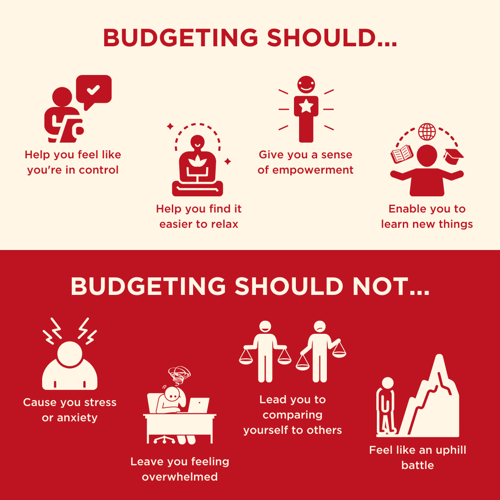
So, what does a savings plan look like when you’re saving to buy property in your 20s? Well, the first step is to work your basic budget. This means adding up everything you earn in a year after tax and deciding how much of it you can reliably save. One trick we talk about a lot in these guides is the “50/30/20” principle. It’s a simple rule to follow when you’re building your first budget. You allocate 50% of your total income to essential things (costs you can’t realistically bring down), 30% goes toward “discretionary” spending (the fun stuff that makes life worth living) and the remaining 20% is what’s left for saving.

You can play with the numbers a bit so they fit your situation, but the point is to take direct control over your cash, getting into the habit of putting a set amount aside each month toward your goal.
Keeping track of your spending
However thorough your budgeting is, it’ll only ever be as good as your ability to stick to it. That means keeping a running total of your actual spending alongside the goals you set out for it. It’s insanely easy to overspend in a world where we can hurl money out of our accounts with a wave of a contactless card or a tap on a mobile screen. If you want to make the most of your saving potential, though, you’ve got to clamp down on random impulse spending. No, you’re not going to finance your entire first home on the savings you make by skipping your daily latte. However, but you could still sock away over £700 in a year by doing exactly that – and that’s really only the tip of the everyday savings iceberg.
Watch our video on budgeting for beginners to help you:
- Organise your finances
- Calculate your budget
- Weigh up what it's worth
Pick the right mortgage
One of the reasons it’s smart to start your saving earlier in life — especially if you’re looking to buy a home — is that it opens up the option of picking a longer-term mortgage deal. Spreading your repayments out over more years, while it means more interest overall, can still bring down your actual month-by-month costs by a lot. In fact, with the right mortgage, it can easily work out cheaper than renting. Obviously enough, you’ve still got to scrape together your deposit to get started, but once that’s out of the way the road ahead can turn out much less rocky.
Speaking of saving for a deposit...
Lifetime ISAs
A Lifetime ISA is a really strong way to save toward a deposit to lay down on your first home. If you qualify for one – basically meaning you’re between 18 and 39 years old – then you get a yearly pay-in limit of £4,000 and a 25% top-up on everything you save up to that limit. So, assuming you pay in the maximum in a year, the government will dump an extra grand into your savings pot.
As with other kinds of ISA, you’ve got a few choices about how your money is used. It’s possible that you could see the highest yearly growth in your savings with a stocks and shares LISA, for instance. However, when there’s a specific target to be saved toward, a lot of people lean toward the potentially less risky cash ISA option.
There’s one slight catch with LISAs that you need to be aware of, though. Most of the benefits disappear instantly if you need access to your money in a rush. If you take anything out before the age of 60 to use for anything other than buying a home, you get hit with a 25% penalty to pay. This basically wipes out all of the top-up payments you’ve received on that money. If you’re actually saving toward buying a house, then there’s no problem – unless you hit a bump in the road and need to cash out early.
Read our guide: Alternatives to savings accounts
Use the help that's out there
LISAs aren’t the only government system set up to help first-time buyers. For instance, the First Homes scheme (only available in England) can offer what are basically discounts of 30%-50% on the market value of your first home. There are a few limits on who qualifies for this, of course. You have to be 18 or over, a first-time buyer and your total household income can’t be more than £80,000 (or £90,000 in London). There are a few other twists and turns in the rules, and some councils prioritise certain types of buyer over others, but it’s definitely worth looking into if you think you might qualify. You can find all the basics on the gov.uk site.
Another smart option if you’re having trouble putting the cash you need together is to opt for a shared ownership arrangement. This is another scheme built to help first-time buyers grab that all-important first rung on the property ladder. Essentially, what you’re doing is buying a share (10%-75% of the total value) of a property from its landlord. A lot of the time, this will be a council or housing association. You then pay monthly rent at a reduced rate. You’ll still need to arrange a mortgage to buy that initial chunk of your new home, but it should be a lot more affordable than buying it outright from the start. As time goes by, you can gradually increase your share of the property until you own the whole place.
Equity Loans
If you’re looking for more ways to take some of the financial pain out of buying your first home, you could do worse than to look into the Help to Buy Equity Loan system. This is assuming you’re actually buying a place to live in, rather than as an investment or second home. The rules for these loans say you have to front up at least a 5% deposit, but can then borrow up to 20% (40% in London) of your new home’s market price, interest-free for 5 years! The rules have a few wrinkles in them that it’s worth keeping in mind, so check out the gov.uk site for more details.
Staying on target
This last tip is really more like a bit of general advice that most of us should be taking more seriously. Saving at any age can be difficult – although, strangely, it’s usually easier when you’re young since you won’t yet have stacked up a lot of the ongoing costs the older crowd’s dealing with. The only real trick to it is to treat it like paying a bill in advance. Whether you’re socking away cash for a home, a car or your own retirement, wherever possible you should be putting it into your savings as soon as you get it. It’s a mistake to think of it as “spare” or “leftover” money. It’s an essential part of your whole financial world, and needs to be respected – not blown on extra takeaways or nights out.
 If you’re struggling to scrape any kind of regular savings out of your earnings each month, or simply want to give yourself an edge, try looking into the range of free money-saving apps available. Many of them make the process automatic with features like round-up saving. This is where you actually save money whenever you spend it, by automatically “rounding up” your spending to the nearest pound and sticking the change into a savings account. It might not sound like a lot, but over time you can put away some serious cash this way.
RIFT Roundup: What It All Means
- Lifetime ISA (LISA): A long-term tax-free savings account, particularly suitable for first-time home-buyers.
- The 50/30/20 rule: A simple way to divide up your money so you don’t lose control of it.
Free tax refund checker: Our tax rebate calculator will give you an instant estimate of how much tax you could be owed back from HMRC
Start Now